

News
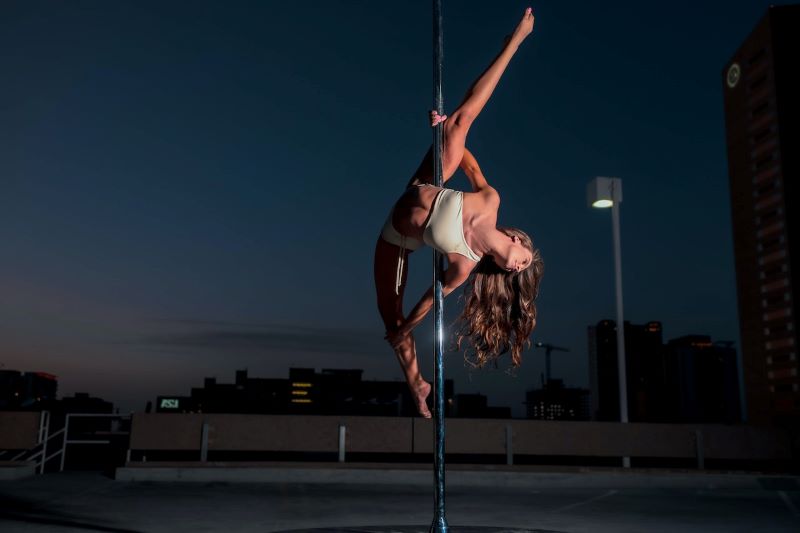

5 Tips To Maximize Your Pole Dancing Photoshoot
Pole photoshoots can be more daunting and challenging than a performance in many ways. You should put some time and effort into planning your shoot. A phenomenal photoshoot isn’t all about the photographer’s price tag but how much you invest into the prep work. Your prep work will show in the results. Here are some tips to prepare to make your shoot spectacular: 1. Decide Your Theme or Concept If you have an overall vision for your photo shoot, it will help guide the rest of your choices. Experienced sports photographers are pricey, especially for dance photos. Look at their portfolios and select one with style aligned with your theme. Some photographers can switch between types, but they often have a signature that will come out in their photos. Assess if they will capture more strong, feminine, whimsical, or sensual shots for you. Once you have your theme and photographer, you can move on to outfits. 2. Pick Your Pole Dance Outfits The number one mistake is selecting an outfit that isn’t polewear or something you can wear to class. You won't have enough grip or coverage for your shoot if you don’t have enough for a workout. Give your chosen outfit a trial run at class or home to see if it will hold up through your inversions or split moves. The same goes for heels: if you plan to wear pole dancer shoes, ensure they fit well and you are comfortable performing in them before the shoot. Consider your shoot’s location. It doesn’t take much to make a standard photo look striking. For example, if the background has some orange throughout, wear a complementing blue that will pop in the images. Or, if your site has good lighting, choose something nearly sheer or translucent to capture some dramatic lines you otherwise wouldn’t be able to accomplish. 3. Choose Your Poses Like any other professional photoshoot, you should know what you want regarding pictures. If you know what you want, make a list. Build your list with a few easier warm-up moves at the beginning with your must-have next. After those, put in your final moves and a few backups if you have extra time. You’ll probably be nervous and forget the plan unless you write it down. The photographer can refer to the list and call out the next move to keep things progressing. If you plan on a costume change during the shoot, try to build it in when you’ll need a break. For example, perform your most challenging move at the end of the run with your first costume. Then, give your shoulder muscles a break while you change. After that, you’ll be refreshed for another, more complex pose after the change. Remember that you will hold the poses longer than usual to get the photos, so don’t choose any moves you’ve just barely mastered or that still feel a little shaky. Play to your strengths and choose moves you’re comfortable enough with that you can focus on the finer details like your finger placement, pointed toes, and facial expressions. One awkward hand placement will ruin a photo guaranteed. 4. Treat Your Shoot Like A Performance You would have a dress rehearsal if you were doing a performance or competition. You should do the same for your photoshoot. Grab a friend to stand in for the photographer while you run through your moves list in costume. They can grab photos so you can see how they look in your outfit and if you need to adjust your body placement. You can even show the shots your friend captured to your photographer, while adding your notes about how you would like a frame to look. If you don’t include a trial picture of yourself, you can grab an ideal photo online to show your photographer your goal. Like an exhibition, you don’t want to overtrain leading up to your shoot. Have light sessions that will keep you limber without overdoing it, leading to soreness and not-so-pretty bruises for your photos. Afterward, don’t forget to cool down and stretch. Make sure you schedule a rest day with plenty of rehydration and food. 5. Tips for The Day Ensure you get up early enough to eat a good meal one to two hours before your shoot. Have your hair and makeup finished before you arrive so you only have to warm up, and get dressed before starting your shoot. Bring emergency makeup and hair touch-up products just in case you need them throughout. Other things to bring in your dance bag are: Your standard dance towels for you and the pole with backups (as you may sweat more than you would in class) Your costumes, shoes, and props Plenty of water with a straw so you don’t mess up your makeup Easy-to-eat snacks to keep you on time and free of crumbs or other food fiascos on your costume Your list of pole moves for the day. Have one for the photographer with your example photos and one for yourself with notes on placements that you can review before each pose Face/makeup wipes for your feet as the floor can be dirty. You’ll want to wipe your feet before each pose, so they photograph clean throughout When in doubt, always go basic and have fun. You’re paying the photographer to take flattering photos of you, and performing an easier move you enjoy will show through in the pictures. The same goes for your pole dancer outfits. Don’t go overly complicated. If you do, you could feel self-conscious and lose focus. Choose something comfortable and confidence-boosting that won’t detract from your impressive moves in the photos. Breathe and try to enjoy yourself. Some of the best final shots come from relaxed goofing off between planned shots.
Learn more
Choosing Music For Your Pole Dancing Routine
Finding the perfect pole dancing music can be challenging, whether you’re stuck in a rut during practice or searching for your next performance song. Many songs have been overdone, played in every pole dance clip, or are the soundtrack to every nightclub experience. But suppose you’re going for something different: a Bohemian theme, a classic power ballad, or a never-been-done song. In that case, there are so many genres of music to pick from—dark, slow, dramatic, heavy rock, romantic, sensual, classic, retro, EDM, psychedelic, and female power, just to name a few. Here are some tips for selecting your next tune: Focus on a Theme Sometimes your routine and your song will emerge together, but you will often have your moves worked out before looking for the right musical piece. It helps to keep your routine’s theme in mind when researching music choices. Does your performance have a purpose? What message are you trying to convey? Are you trying to let loose and have fun? Or are you digging deeper and using this performance to heal something in your past? Your theme should be reflected through your music, narrative, props, and pole dance outfits. Ensure It Has Deep Bass While you can pick any song that connects with you, the best pole dance songs typically have a deep, thumping bass. This enables you to feel the music through the floor, guiding you to all your marks for your moves, especially your pivots and spins. Find a Song That Matches Your Dance Style Similar to your theme, you have a signature dance style. Whether you are more sultry or high-energy and powerful, you want to find a song that will track with your chosen dance style for this routine. Here are some common styles and examples for each: Dark and Intense: This would typically be a slow, edgy routine. A red pole dancing bodysuit would go perfectly with these songs: Take Me To Church - Hozier Radioactive - Imagine Dragons Human - Rag’n’Bone Man I See Red - Everybody Loves an Outlaw Romantic and Sensual: Again, this would be a slow routine but a little more soulful and sweet than the previous style. There are so many romantic songs from every era, but here are a few: Earned It - The Weeknd Champagne Kisses - Jessie Ware Sexy Boy - Air Retro or Vintage: If you’re looking for something unique or want to glam up your practice or performance, these songs will transport everyone with you. Go for the complete look and wear pole shorts with garters. Big Spender - Shirley Bassey Diamonds Are A Girl's Best Friend - Marilyn Monroe I’ll Be Seeing You - Billie Holiday Classics: The songs below are classics for a reason. They’re perfect if you’re just starting out for a competition or you want some morale-boosting songs playing during a freestyle or studio class. If you love classic pieces but don’t want to choose something overdone, look for covers of the music to add a fresh take to your routine. Carousel - Melanie Martinez Lady Marmalade - Christina Aguilera, Lil’ Kim, Mya, Pink Back In Black - AC/DC Don’t Stop Believing - Journey Empowering and High-Energy: Depending on the message you are trying to convey, here are some songs with strong, independent messages to bring some oomph to your routine. You Don’t Own Me (feat. G-Eazy) - SAYGRACE Swan - Willa Beautiful - Christina Aguilera U + Ur Hand - Pink Seasonal Routines: If you’re putting on a show for Christmas, Mariah Carey’s “All I Want for Christmas” or Christina Aguilera’s “Christmas Time” are classics. If it’s for Halloween, both Dope’s “You Spin Me Round (Like A Record)” and Evanescence’s “Haunted” have the right beat and are on the theme. Analyze The Music This can get very technical with music notes, lyrics, and spreadsheets, or you can just run through your dance with the song on. Sometimes, it will click right away; sometimes, you need to tweak your routine slightly. If you have to do a massive overhaul of your moves or it doesn’t flow, move on to one of your backups. Pick a Song You Love No matter what, you should pick a song you’re wild about. Otherwise, it’s unlikely to inspire a one-of-a-kind performance. You will automatically elevate your moves when dancing to a song you enjoy. Your audience will be mesmerized if you lose yourself in your music and dance. With that in mind, you can ruin a song by listening to it too much. If you’re starting to dislike your music or struggle with your routine, work on your combos without it. By working with counts, you can pace each move and pose perfectly timed to the music when you add it back in. Plus, you’ll get a break from hearing the song on repeat all the time so it will stay fresh. Don’t forget—if you’re feeling uninspired, get some new perspectives. Ask for some help from your pole friends. Have them listen to your song choice because they may hear a new melody or beat that can help inspire new moves you hadn’t considered before. You can ask how they would dance to the song or what sequence would go perfectly with the hook. Lean on your community, and you will have a fantastic routine while making fun memories along the way.
Learn more
7 Tips to Beat the Heat For Your Summer Pole Routine
Summer is incredible for longer days, enjoying the outdoors, and tanned skin. However, it can make your pole practice challenging and dangerous when it impacts your grip. Small amounts of sweat can aid your grasp, but when you’re melting like a popsicle, you’re bound to have unintended slides. Here are some essentials to keep in mind as the heat starts ramping up: 1. Avoid Sunbathing, Tanning, or Spending Time Outdoors These recommendations aren’t easy to follow in the middle of summer, but try to avoid these activities on the days you plan to dance. Spending time outside before can lead to dehydration, overheating or having heat stroke before or during your class. None of these are ideal for your pole dancing workout. If you sunbathe or lie in a tanning bed, you’ll have sweat buildup on your skin, and the lotions will only make you slip more in class. If you overdo it in the sun, you might feel the burn as you spin around your pole, one of the worst times to discover a sunburn. 2. Stay Hydrated If you’re dehydrated and exercising, you’re likely to get headaches or feel dizzy, which is a problem when you’re doing a pole climb or inversion. Drinking plenty of water is crucial to keep you safe during your class and your cardiovascular system running well. The U.S. National Academies of Sciences, Engineering, and Medicine advises 2.7 to 3.7 liters of water per day. If you’re not a big fan of plain water, try mixing in some coconut water or flavored drops to help get the ounces down. It’s a better solution than drinking soda or sugary hydration beverages. You can also aim to eat hydrating foods: Cantaloupe, Honeydew, and Watermelon Peaches and Pineapple Oranges and Grapefruit Strawberries and Tomatoes Cucumber and Zucchini Kale, Cabbage or Iceberg and Romaine Lettuce Carrots, Celery, and Bell Peppers Broccoli and Cauliflower Skim Milk, Plain Yogurt, and Cottage Cheese 3. Freeze Everything Fill your water bottle halfway, tip it on its side, and freeze it for a couple of hours before class. A refreshing drink helps you stay cool during your routine. While putting your bottle in the freezer, rinse a washcloth or small towel with water, squeeze out the excess, and toss it in the freezer in a plastic bag or Ziploc. Take it with you to class for a leak-free cooling pad. Between moves, rub it on the parts of your body that regulate temperature: your palms, wrists, neck, and feet. While you’re at it, toss your pole sling shorts in the freezer. They are perfect for cooling off without being too uncomfortable. Just don’t forget to set a timer, so they’re not too frozen to wear. Unless you are in a sweltering climate or very brave, don’t throw your sports bra in with the rest of your pole workout clothes. 4. Wash Your Hands Before Class This will remove excess sweat, natural oils, or lotions you may have forgotten you applied. You can also run cool water over your wrists and splash it on your face and neck before starting your routine. This will help cool you from the get-go. 5. Use a Fan or Dry Your Sweat If you’re practicing at home or privately in a studio, have a good fan pointed at your pole. It will keep your body cool and help dry up any sweat. Crank up the air conditioning for your practice if you can control that. Always have wicking towels near to wipe off the extra sweat between moves. 6. Try Out Different Pole Dancing Hand Grips in Class If your grip is suffering, there are products to help. Dew Point is great for dry to normal skin. If you are prone to oily skin, chalk may be a better option to help control the sweat. You can also apply antiperspirant everywhere you’re prone to sweating, not just your armpits. Most should provide 24-hour coverage. Use it the night before so it soaks in and works for class. 7. Don’t Forget the Vodka Unfortunately, it’s not to drink. That leads to dehydration. Depending on the cost, cheap vodka or rubbing alcohol are great ways to disinfect your pole. They help dry your skin for grip. Dab a little on a towel and wipe down your body, focusing on your stomach, upper body, knee pits, or wherever you need extra grip for your routine. While summer can be tricky for parts of your pole practice, take advantage of the warm weather and work on your flexibility. Have you heard of warm or hot yoga? It’s so popular because warmed-up muscles become more elastic. You are more likely to get pulled or torn muscles from overstretching when cold. When the temperature is warmer, you can stretch easier to help prevent injuries. Infographic The longer days, more time spent outside, and tanned skin are all advantages of summer. However, training on a pole can become challenging and hazardous if it impairs your hold. If you're perspiring softly, it could help you maintain your grip, but if you're melting like a popsicle, you'll unavoidably slide. Observe the following recommendations. Video
Learn more
Overcoming Your Pole Dancing Training Plateau
Most of us are highly motivated to attend classes and advance when we start a new activity. However, as we progress, we can begin to plateau, and the results we see may not match the effort we’re putting forth. As we train harder, we might beat ourselves up over waning results and start to burn out. We might also become more prone to injuries, lose motivation, and give up on ourselves. If you’re experiencing a pole dancing plateau, here are some tips to break through your training slump and stoke your motivation spark: Make a Realistic Plan Do you make to-do lists and add items so that you can check them off? Goal achievement is addictive, which is why we do things like that. If you are struggling to get motivated, set some goals for yourself. However, some plans can be too big and ambitious, so you will never start working on them. Set goals that are specific and simple. They should be measurable and achievable or realistic for your skill level. Give yourself a time limit to achieve the goals as well. For example, you could challenge yourself to master a routine so you can enter a competition in three months. Document Your Progress First, establish your reason for dancing. Is it to fit into your clothes again? Build muscle? Or advance your dance skills? If it’s the latter, take videos of your practice sessions to see your progress. Get a video when you finally master the move and again when you can perform it gracefully or effortlessly. If you’re dancing for fitness and to build muscle, take photos of your “before” look and then take weekly or monthly progress shots. It takes six to 12 weeks to start seeing results from a new exercise routine. You might begin to feel your clothes fitting differently before then. It’s hard to see how much you have progressed until you reflect on previous photos or videos. Give Yourself Some Extrinsic Motivation If you are in a slump, sign up for a special event like a workshop or dance tutorial to change your moves. Varying your routine will breathe new life into your standard practice and help you improve faster. Another trick is to reward yourself. If your goal is to perform, buy high-waisted garter pole shorts for your show. If you’re trying to master a new style that’s sexier, get some pleaser pole shoes when graduating from your beginner classes. It doesn’t have to be anything fancy. If you’ve set a goal to attend two classes a week, treat yourself to a new pair of sticky pole leggings you’ve had sitting in your cart. Make Pole Friends Even if you’re not the most outgoing, try to socialize with people in your class. You likely started around the same time, already have a common interest, and can keep each other motivated. You are less likely to skip a class if you know someone expects you to be there. If that’s not for you, join a pole dancing social media group. Surrounding yourself with people who understand and support your passion makes a huge difference. If you like to perform, consider making your own account to showcase your skills and track your progress simultaneously. Whatever method you choose, your friends will share your excitement and encourage you to progress. Don’t Be Afraid to Take a Break Even if you love pole dancing, you can push yourself too hard and burn out. If your body is feeling worn down and you are unmotivated, it’s ok to take some time to recuperate. You will come back more refreshed and motivated than if you just power through those feelings. Remember that dance is supposed to be fun and a nice break for you. You will quickly burn out if it feels like work. Go Back to the Basics If you’ve struggled to learn more complex sequences or advanced moves, you can be pretty hard on yourself and get discouraged. Go back to your strengths. Practice a routine that makes you feel confident and is effortless for you. It will remind you how dancing can feel when you master the moves and how proud you feel when you do it for the first time. You’ll reattack your challenging moves with more determination and confidence. Take Care of Yourself Treating yourself to some self-care is essential to maintain your motivation. Ensure you are eating well, hydrating, and getting enough sleep. Beyond that, you should have time to relax, socialize, and work on other hobbies besides dance. Try to cross-train by taking another dance style or yoga class to stretch and work on your flexibility. Journaling or meditation can help clear your head if you are struggling mentally. Find a balance between challenging yourself and not being too hard on yourself. No matter what, don’t give up. We all go through unmotivated or uninspired periods. Give yourself grace without letting laziness take over your life. Relax and have fun as you rediscover why you were drawn to pole dancing in the first place.
Learn more
Pole Dancing For Moms? 5 Reasons To Take A Class
As a mom, you are often the primary caregiver or default parent. It can be a challenge taking care of your children and the household, juggling schedules, working, and trying to take care of yourself. What if there was an exercise that not only bolstered your physical health but also gave you self-care in the form of empowerment and fun? Here is why you should try pole dancing, especially as a mother. Pole dancing: 1. Boosts Your Confidence Motherhood is physically tough on our bodies and can drain us mentally. Pole dancing can make you feel powerful and remind you that you are more than just that role. You can be sexy and a force to be reckoned with while still being Supermom. Additionally, messages from media can make you feel bad about how your body looks or the scars and stretch marks you’ve earned. Pole dancing is about how you feel and what your body can do, not how it looks. Dancers come in all shapes and sizes. Treat yourself to some polewear that makes you feel confident and love how you look - there’s even plus-size dance wear. Not only will it boost your confidence, but it will boost your children’s confidence. They need parents that are body positive so that they can be too. 2. Helps Your Balance, Flexibility, and Strength Whether you trip over flat ground or can walk a tightrope blindfolded, pole dancing will help your balance and coordination. You will also discover muscles you never knew you had and might start feeling like a bendy pretzel. There’s no way to perform inversions and spins without developing these skills. If you’ve already been cooking while balancing a toddler on one hip or juggling your coffee, keys, diaper bag, and a baby strapped to your chest, a Juliet spin will be a piece of cake. 3. Provides Stress Relief Have you ever noticed that when you get stressed out, your kids get more mercurial as well? Your children’s emotional states depend on yours, so when you take time to decompress after swimming lessons, carpooling, and playdates, your children will calm down with you. Exercise also releases endorphins, so you’ll get natural mood boosters with every class you take. 4. Teaches You to Tackle Obstacles Head On Parenting is full of challenges. Sometimes getting through the day as a mother can be a challenge. If you’ve worked for weeks on a pole dancing move, you can apply that perseverance to anything in your life. Or when you’ve looked at a pole and thought there’s no way you can climb the whole thing, but you try anyway and nail it, other obstacles you face can seem manageable. Potty training, a class full of rambunctious 6-year-olds full of sugar for your kid’s birthday, or a 12-hour road trip with two little ones in the back seat solo? You’ve got this, just like you got that cartwheel dismount. 5. Gives You a Community or Tribe If you haven’t already discovered, motherhood can be incredibly isolating, and you may be missing the social life you used to have. Pole dancing is a welcoming and supportive community that will give you that sense of belonging you’ve been missing. It’s a great way to meet, socialize, and connect with other moms like you. Some studios even have specific classes for mothers, so you can bond and go over mother-approved moves in a more comfortable environment where everyone just gets it. Is Pole Dancing Safe For Moms? You may wonder if you can pole dance pregnant or postpartum. If you are pregnant, it is typically safe to pole dance. Most doctors advise it’s safe to continue any exercise you have already been doing with a few modifications. However, it’s always better to check with your OBGYN. If they clear you, you may find you are a bit warmer and struggling to maintain your grip to perform moves safely. Try some pole grip for sweaty hands for extra piece of mind. Limit moves like backbends and moves that strain your abdominal region. Don’t try to master new skills; stick to sequences you can comfortably do. Remember to listen to your body and what is suitable for you. Some women can dance until they deliver, while others can only handle a few weeks before their body says no more. Don’t compare your body or your journey to anyone else’s. Overall, pole dancing is a fun and challenging activity for moms. It’s an excellent whole-body workout that improves your mental well-being with opportunities for socialization and self-expression. Give it a chance, and you will be surprised how much you enjoy it. Infographic Here are a few reasons to give pole dancing a try, especially if you're a mother, who goes through physical and mental hardship. Pole dancing is often a tough and entertaining exercise, but it’s a terrific way to give your whole body a good workout, improve your mental health, and provide you with opportunities to express yourself. Video
Learn more
The 3 Fs to Practice Pole Dancing Without a Pole
Because the word pole is part of the name, you may think a pole is required to practice pole dancing. However, there are other ways you can easily practice and perfect your moves at home without it. Pole dancing is not about just swinging on a pole. Initially, you can do exercises to build strength, grip, and flexibility as a beginner. You can also do some basic spins, planks, and freestyle moves that you can learn without a pole. You can use a wall or a chair as an alternative if necessary. First, identify what level of dancer you are and what pole dancing will look like with your experience. As a beginner, that may be basic spins, learning grips, and sequences for getting into inversions. Set personal goals, so you know where to focus your off-pole training. Overall, there are three aspects to training for pole dancing without the pole: 1. Flexibility You do not have to be Elastigirl to pole dance, but increased flexibility leads to decreased injuries. Stretching is crucial for any sport or dance as it improves your range of motion functionality. You could try yoga or a stretch class if you don’t like to think about your training, or there are specific off-pole flexibility courses. No matter what, always warm up before deep stretching. 2. Floor Work Pole dancing isn’t always doing complicated tricks. You can’t have pole dancing without some floor work. You need smooth movements and seamless transitions to be a better all-around dancer. You can work on your floor work transitions and choreography to prepare for your pole dance. Even minor things like assessing, practicing, and perfecting the quality of your lines will improve your overall performance. While working on your floor routine, you can practice some chair dancing. Channel your inner Christina Aguilera from Burlesque, and grab a light but balanced chair to work on some low-flow style pole dancing. You can practice various moves and splits while still training your muscles for pole dancing, as a chair is much less expensive than a pole for your home practice space. If you find chair dancing fun, you can find classes specifically teaching chair dancing techniques. 3. Fitness Pole dancing is a blend of graceful moves, strengthening, and cardio. If you don’t have a pole, you can work on strengthening exercises for your upper body, core, and lower body. Try to incorporate push-ups, planks, V-sits or jack knife sit-ups, and wall sits. Check out more strengthening exercises here. Choose your favorite cardio method and go for it. It can be another cardio-based dance class, power yoga to get cardio and strength, or a simple jog around your neighborhood. You will be surprised how effortless a pole class or complex move will feel after incorporating some training outside of class. Don’t ignore grip and wrist strength; they’re crucial to pole dancing. Work on your grip with an inexpensive adjustable expander. You can improve your wrist strength with a simple exercise: kneel in a tabletop position or have the palm of your hand flat on a wall. Ensure your wrist, elbow, and shoulder are in line. Lift the heel of your wrist off the floor or push it away from the wall. Do this 15 to 20 times per wrist. Stay Consistent You will never get to it if you don’t set time aside for your training. Saying you will start practicing tomorrow is an easy out because tomorrow never comes. Put your workouts on your calendar and stick to your schedule. If you’re struggling to get motivated, put on your pole fitness clothes and blast your pole workout playlist to get you pumped. Remember to track your progress. As improvements happen gradually over time, it can be hard to recognize just how far you’ve come unless you document your achievements along the way. If you work better off incentives, reward yourself with dance-related gear such as pole dancer shoes or pole garter shorts. Don’t Forget to Visualize Thanks to COVID-19 and lockdowns, many pole training videos are available online now. If you are a beginner trying to learn the basics and grasp sequences for moves, you can watch a clip and mentally run through the movements. This will help create new connections in your brain and help you remember the move without thinking about each step, making the sequence easier to put into practice. You can visualize your whole routine or performance if you are more advanced. When you memorize your choreography, you can depend on muscle memory to execute the moves without concentrating on each part. This will your dance look much more cohesive and effortless. Overall, pole dancing is here for you, and you will get out of it what you put into it. If you are happy learning casually with slower progression in a class environment, that’s perfect for you. If you want to progress faster, you know now that you don’t need a pole at home to work on your skills. Don’t let a lack of equipment or finances keep you from working on your dance form. There’s always a way, and a little creativity will help you find it. Infographic The fact that the term includes the word "pole" can lead you to believe that a pole is required to execute pole dancing. There are many distinct aspects to pole dancing and there are numerous methods for honing your skills at home. You may start by working out to get stronger, tougher at grasping and flexibility. Video
Learn more
Should pole dancing be an Olympic sport?
Pole dancing has many forms: sport, exotic, artistic, and freestyle. No matter what style you choose, they all require a good level of physical strength and endurance. There are creative and acrobatic elements similar to dance and gymnastics influencing the movement to make it an Olympic sport. These pole fans discuss their reasons for why or why not the Olympics should include it. Robert Thorpe CFO and Co-Founder of HiStylePics. Yes, To Bring Recognition and Respect To The Athletes My opinion is that pole dancing has the potential to be a legitimate Olympic sport. While some may argue that it is too provocative or sexual, the truth is that pole dancing requires immense strength, flexibility, and athleticism. It has already gained popularity as a competitive sport, with numerous competitions and championships held worldwide. The International Pole Sports Federation has been pushing for pole dancing to be recognized as an Olympic sport since 2017. If pole dancing were to become an Olympic sport, it would undoubtedly bring greater recognition and respect to the athletes who participate in it. David Reid Sales Director at VEM. Yes, But There Are Feasibility Considerations As someone who is a fan of pole dancing, I am thrilled at the possibility of it becoming an Olympic sport. Pole dancing is a physically demanding and artistic form of exercise that requires strength, flexibility, and grace. It combines elements of dance, acrobatics, and fitness and has grown into a global sport with competitions and championships. Including pole dancing in the Olympics would provide an opportunity for talented athletes from around the world to showcase their skills and compete at the highest level. It would also bring more visibility and legitimacy to pole dancing as a sport, dispelling misconceptions and promoting its athleticism and artistry. Furthermore, as an Olympic sport, pole dancing could receive more funding and support, leading to increased opportunities for training, coaching, and development. This could also lead to greater acceptance and recognition of pole dancing as a legitimate athletic pursuit, which may help break down societal stigmas and barriers that some individuals may face. However, I also understand that there may be differing opinions on whether pole dancing should be included in the Olympics, considering the cultural and historical context of the sport, as well as potential concerns related to judging criteria, doping regulations, and other logistical considerations. As a fan of pole dancing, I would be excited to see it recognized as an Olympic sport, but I acknowledge that there may be valid perspectives on both sides of the debate. It would be important for thorough discussions and considerations to take place to determine the suitability and feasibility of including pole dancing in the Olympics. Shawn Stack CEO of Hallmark Timmins. Yes, It’s A Fun, Unique, and Challenging Sport There are a few different aspects of pole dancing that make it an interesting sport to watch. Pole dancing is an incredibly physical and demanding sport that requires a lot of agility, strength, and cardiovascular endurance. In addition, the dancers must be skilled in aerial artistry, which means they must be able to perform intricate and difficult movements in the air. In my opinion, pole dancing should be included as an Olympic sport. There are a lot of talented and skilled dancers out there, and I think they would make great athletes. Pole dancing is a really unique and challenging sport, and it would be a lot of fun to watch. Leighanne Everhart Owner at Sell My House Fast Wilmington NC. Yes, As It Breaks Down Associated Stereotypes and Stigma My opinion is that pole dancing should be considered a legitimate and respectable Olympic sport. While some may view pole dancing as controversial or inappropriate, it requires immense physical strength, flexibility, and skill. It's a form of art that combines dance, acrobatics, and athleticism, which is no different from other sports, such as gymnastics or synchronized swimming. Moreover, recognizing pole dancing as an Olympic sport can help break down stereotypes and the stigma associated with it, paving the way for more inclusivity and diversity in the sporting world. Ultimately, it's time to acknowledge the hard work and dedication of pole dancers and give them the recognition they deserve. This is a crowdsourced article. Contributors' statements do not necessarily reflect the opinion of this website, other people, businesses, or other contributors.
Learn more
7 Chinese Pole Dance Moves You’ll Want To Try
Chinese pole dancing is a different style than most are familiar with in the pole dancing community. Compared to modern pole dance, it’s less forgiving and requires a more precise approach. Not only in practice but also performances, it’s a group gig, so you might have seen some Chinese pole dancing if you have ever attended Cirque du Soleil. Dominic Lacasse, The Flag Man, has also brought recognition to the art of the Chinese pole. It’s one of the styles that modern pole developed from; however, there are some differences: Customary For Males to Perform Like mallakhamb, male performers or acrobats traditionally dominate Chinese pole. Because of its incredible ability to develop strength, stamina, and flexibility in one workout, men historically used it as training for wrestling or martial arts. In their respective societies, that tradition continues today. Chinese holds and poses require more upper-body strength because of this. You can see this in the classic strength move, the flag. The Pole Height, Width, and Grip Chinese poles are free-standing like stage poles. They are secured with circus rigging that holds the base directly to the floor and connects the top of the pole to the ground with long straps. If you get the chance to climb one, it has a little give to it, which is disconcerting the first time you sway with it. In addition to extra looseness, the pole is tall compared to what you are used to; it ranges from 10 to 30 feet tall. The extra height allows for more acrobatic style moves like drops and flips you couldn’t pull off with the size of a standard pole. In addition to being staggeringly tall, the pole is wider than the standard pole, which can impact your grip. It gives those with larger hands an advantage. The most significant difference between a standard and a Chinese pole is that the latter has a rubber coating. This provides an incredible amount of grip, allowing many more complex moves. However, it rules out any fun spins unless you want intense friction burns to accompany your jerky movements. To protect your skin, you will want full-coverage clothes, like a pole dancing bodysuit, which goes directly against all other pole dance clothing advice. Despite all of these differences, here are some Chinese pole moves you can incorporate into your practice, even on your standard pole: 1. Frog This is a rest position and the most important to learn so you can return to it any time you start to fatigue. It’s a traditional circus move that looks complex but will give you a nice break. You will have your knees bent outwards while placing your feet on the pole close to your thighs. You should look like a crouching frog with your hips open. Bring your dominant hand around the pole to lock in, straightening your dominant leg out if you prefer. 2. Chinese Pole Climb This climb is another classic circus move you may have seen before, as it looks impressive on the taller poles. It’s different from a traditional pole climb, so you must have bare feet or wear grippy flat shoes, especially if you are on a regular dance pole. To start, you will place both feet flat on the pole, using the balls of your feet to push in. You will need to keep your arms bent and your hips towards the pole as you make your way to the top. If you start to fall back with straight arms, it’s challenging to continue the climb. 3. Lay Back Nearly identical to the Fang movement in standard pole dancing, except you will grip with your thighs instead of your feet. 4. Gazelle Change This move is more strenuous on a regular pole due to the lack of grip, so move slowly through the sequence until you get more comfortable. You can also use your hands on the pole while learning the move. It is similar to the Gemini inversion, but you will keep your free leg straight and drop it over your back instead of the classic Gemini. Make sure you start higher on the pole, as you will descend slightly with each segment. Swing that free leg towards you while squeezing your thighs and swinging your torso around the pole. You will grip the pole with your armpit and change your leg into Reverse Gemini. Then you can repeat the move in the other direction and again for an incredible pole descent. 5. Hip Lock and Drop It’s a variation on the Sit move. You will start with the pole centered at the top of the pole. Twist your legs as if you were doing the Barbed Wire, then you lean forward and round the pole to lock. You will slowly or quickly slide down the pole for the drop portion by relaxing your body to allow some slippage. It takes courage, but it’s invigorating if you can ignore the burn. 6. Hip Lock Walk Down Again, you start in the Hip Lock position while straightening your left leg to walk your hands down the pole. You will squeeze your legs until you can hook your left foot on the back of the pole. You can hold this position without hands before preparing to do the next move, the Handstand. 7. Handstand Like a Double Grip Straight Edge, you will start next to the pole, find your hand position, and kick up into the move. Even if you are pole fit and experienced, you will feel the ache and burn after trying out these moves. It’s fun to try new methods and continue to expand your dance repertoire. If you find these interesting, seek out a Chinese pole class or private instructor to build up your craft. Just remember to wear your maximum coverage, non-sticky polewear if you do.
Learn more
How do you know if pole dancing is for you?
Pole dancing is relatively new to the fitness studio world, so it can be daunting. How do you know you’ll enjoy it or can perform the moves before signing up for a class? These pole enthusiasts discuss what you need to know and how to determine if you’re ready to take the leap. Bridget Reed The Co-Founder of The Word Counter. If There’s An Experienced Professional Teacher To Teach You Pole dancing is right for you if there’s a studio you can access. I know that’s broad reasoning, but pole dancing can really be for everyone so long as an experienced professional is there to guide you through the beginning moves. Who knows? With the right teacher, you might even find you’re ready to take on moves past the beginning stage! But the best advantage to having a teacher at a studio with professionally installed equipment is that under their trained, watchful eye you can operate with the confidence that you are safe. That feeling of security will give you a better workout and take you out of your comfort zone, which is really the beauty of pole dancing, to begin with. Hannah Sanderson CEO and Founder of Clever Canadian. If You Are Open To New Experiences Pole dancing is a physically hard kind of dance that needs a great deal of strength and endurance. Before you try it, be sure you're in decent physical shape and don't have any underlying health concerns that would make it difficult. Pole dancing studios are not as commonly available as other types of dance studios, so you'll need to do some research to discover one near you. Pole dancing requires the use of a vertical pole to accomplish spins, tricks, and other maneuvers. Pole dancing may be for you if you are comfortable with this form of dance and love exploring new movement patterns. Openness to new experiences. Pole dancing is still relatively new to the popular dance industry and trying something new can be scary. Pole dancing may be a fulfilling and uplifting kind of dance if you're open to new experiences and prepared to move outside your comfort zone. Overall, pole dancing may be a good fit for you if you're physically fit, comfortable with the motions involved, open to new experiences, and can find a studio near you. Just keep an open mind and a willingness to learn in mind, and you might discover that it's a tough and gratifying kind of dance that helps you grow strength, confidence, and grace. Susan Anderson Founder of The Worthy Goods. If You Love To Dance and Movement-Based Exercise Pole dancing has taken the fitness world by storm in recent years, and it's no surprise why. It's a unique combination of strength, flexibility, and artistic expression. But before diving in, there are a few things to consider to determine if pole dancing is a good fit for you. It's important to approach pole dancing with an open mind and willingness to learn, as it can be a physically and mentally challenging experience. Additionally, it's important to be in good physical health and able to perform basic movements like lifting your own body weight. A supportive community is also crucial to staying motivated and progressing in your pole dancing journey. If you're someone who enjoys dance and movement-based exercises, then pole dancing may be a perfect addition to your fitness routine. Remember, everyone's pole dancing journey is unique, so it's important to take your time and enjoy the process. As for submitting comments for the industry-specific website's crowdsourced article, share your personal experiences, tips, and advice for newcomers. Encouragement and inclusivity are key, and emphasizing the physical and mental benefits of pole dancing can help inspire others to give it a try. Matthew Moore Content Writer at FashMatch. If You Have The Physical Capabilities To Try It Pole dancing is a physical activity that requires strength, flexibility, and stamina. It’s important to find out if you have the physical capabilities to do pole dancing before you decide to try it. You should also consider your comfort level with the activity and if you have any health concerns. Finally, it’s important to talk to an instructor to find out what types of moves are involved and how to do them safely. This is a crowdsourced article. Contributors' statements do not necessarily reflect the opinion of this website, other people, businesses, or other contributors.
Learn more